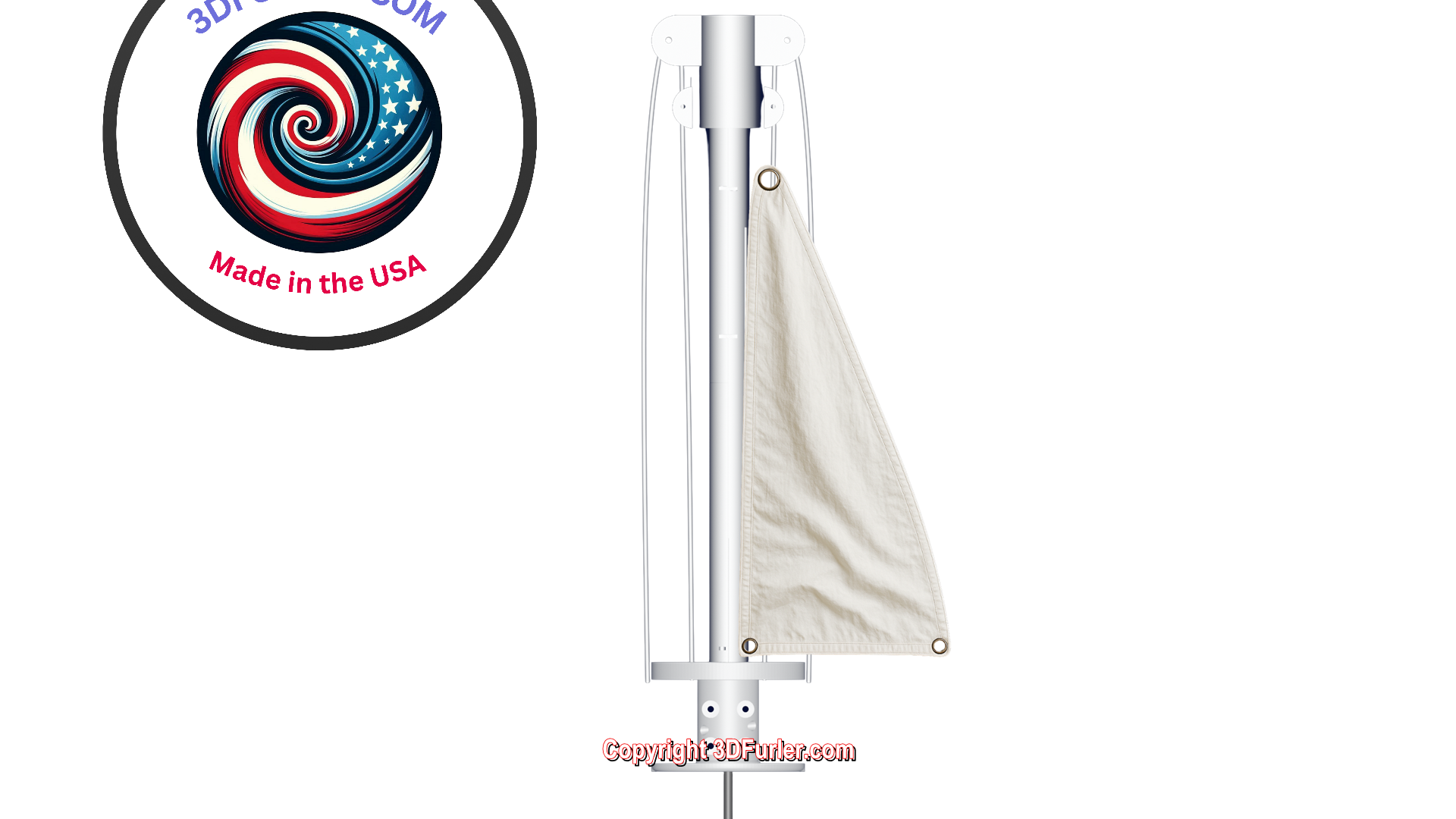
Deck Mounted Sail Furler: What to Know
A deck mounted sail furler earns attention for one reason fast - it changes where the work happens. Instead of sending hardware aloft, pulling apart standing rigging, or planning around mast access, the system can be installed and serviced from the deck. For owners who do their own maintenance, that is not a minor convenience. It directly affects cost, risk, downtime, and whether a retrofit feels realistic at all.
That matters most on boats where owners want furling benefits without the usual baggage. Traditional systems can bring added weight, more complexity at the headstay, and installation steps that push the job into a rigging shop. A deck-level approach moves the decision back into the hands of the owner.
What a deck mounted sail furler actually changes
The phrase gets used loosely, so it helps to separate location from function. A deck mounted sail furler places the primary operating hardware at deck level, where the drum and control point are accessible without mast climbing. That changes both installation and long-term ownership.
From an engineering standpoint, the benefit is not just easier access. It is better serviceability. If the drum, clamp, and lower assembly can be reached while the boat is in the water, inspections become simpler and small problems are less likely to get ignored. Owners are more likely to maintain hardware they can actually reach.
There is also a safety argument. Any system that avoids mast climbing and rig removal removes two common sources of expense and injury. That does not mean every boat is equally easy to retrofit. Stay condition, sail setup, clearance, and intended use still matter. But the deck-mounted format removes one of the biggest barriers to entry.
Why boat owners are moving away from older furling layouts
A lot of furling hardware was designed around aluminum extrusions, internal halyard paths, and multiple machined components that work well until they become heavy, corroded, or labor-intensive to install. Those systems are proven, but they carry trade-offs.
Weight aloft is one of them. More material higher on the rig changes motion and can affect handling, especially on smaller recreational sailboats. Corrosion is another. Marine hardware lives in a punishing environment, and dissimilar materials or seized bearing assemblies can turn a simple upgrade into a recurring maintenance item.
Then there is halyard wrap. For many owners, that is the issue that turns a furling system from useful to frustrating. If the geometry is wrong or the hardware depends on components that are sensitive to alignment, operation suffers. The result can be partial furling, jams, and extra wear where the owner expected simplicity.
A modern deck mounted sail furler is attractive because it can be designed around those pain points instead of simply asking the owner to work around them.
Deck mounted sail furler design features that matter
Not every furler solves the same problem, so the useful comparison is not brand versus brand. It is design choice versus design consequence.
Material selection is a good place to start. Aluminum has been the default in marine extrusion for a long time, but it is not automatically the best answer for every furling application. Advanced polymer construction can reduce weight, eliminate corrosion in the foil sections, and allow strength to be concentrated where stress actually occurs. That last point matters. Focused infill strength in 3D manufactured parts lets a designer reinforce specific load areas in ways extruded aluminum cannot.
Foil architecture matters just as much. Shorter interlocking foil sections can make packaging smaller and installation more manageable, but they also need to resist torsional load. If the interlock design is weak, short sections become a liability. If the interlock is engineered correctly, they become an advantage because they are easier to handle on deck and easier to ship without cutting or special freight considerations.
Drum design deserves attention too. Bearings sound premium until they seize, wear, or add failure points. A bearing-free drum approach can reduce maintenance and avoid one more component that depends on perfect conditions. The same goes for halyard management. Systems designed around external halyards rather than swivels and internal paths can eliminate halyard wrap by design instead of treating it as an occasional setup issue.
These are not marketing details. They are the mechanical choices that determine whether a system stays simple after the first season.
Installation from the deck is more than a convenience
For many sailboat owners, the install is where the buying decision is won or lost. If a furling system requires headstay removal, mast climbing, or cutting components to fit, the project quickly gets pushed into a different budget category.
A system designed to install safely from the deck changes the economics. The labor cost drops because the owner or local marine technician can do more of the work without specialized rigging steps. The scheduling problem gets easier because the boat does not necessarily need to come out of the water. And the job becomes far less intimidating for competent DIY owners.
That said, deck installation is not magic. Proper sizing still matters. Stay length, tack height, sail dimensions, and attachment geometry all need to be right. Any manufacturer claiming broad compatibility still needs to back that up with sizing guidance and installation resources. Simplicity only works when the fit is correct.
This is where modular packaging helps. Pre-determined package lengths avoid on-site cutting and reduce the chance of fitment errors. For the buyer, that means less guesswork and fewer opportunities to damage parts during installation.
Who benefits most from a deck mounted sail furler
The strongest fit is usually the owner who wants practical gains, not marina bragging rights. Small- to mid-size sailboats, trailerable boats, coastal cruisers, and hands-on recreational sailors get the most obvious benefit because they feel the cost and complexity of traditional hardware more directly.
It also makes sense for owners retrofitting older boats. Legacy rigs often do not justify expensive custom labor, but they still benefit from better sail handling. A lighter, modular furler can bring modern function to a boat that would otherwise stay with hanks or a cumbersome older setup.
Behind-the-mast applications are another area where design flexibility matters. A furling system that works around existing stay wire layouts can open options that conventional hardware handles poorly or at higher cost.
The less ideal case is the buyer who assumes every furling system is interchangeable. It is not. Sailing style, sail area, wind range, and rig details all affect what “best” looks like. Some owners prioritize the lowest weight. Others care most about zero halyard wrap. Others want the fastest possible install. The right answer depends on which problem is actually costing you time and money now.
What to look for before you buy
A serious buyer should ask a few direct questions. Can it be installed without rigging removal? Does the system depend on bearings or swivels that add maintenance? How is halyard wrap prevented? Are the package lengths fixed and pre-sized, or does the installer need to cut material? What does the total shipped package weigh, and can one person reasonably handle it on deck?
It is also worth asking how the system is supported after the sale. Furlers are specialty hardware. Buyers need sizing help, installation guidance, and straight answers about compatibility. A company that provides comparison content, whitepapers, and technical support is usually telling you something important - it expects customers to evaluate the mechanics, not just the price tag.
One example is 3DFurler.com, which has built its approach around compact modular packaging, interlocking SlideLock Technology foils, external halyards, and deck-based installation. The bigger point is not the name. It is that modern furling systems are being designed around owner-installation and predictable operation, rather than old assumptions about how much labor a retrofit should require.
The real advantage is fewer compromises
The best reason to consider a deck mounted sail furler is not novelty. It is reduction. Less weight where you do not want it. Less corrosion exposure. Less dependence on mast climbing. Less chance of halyard wrap. Less installation friction between wanting a better furling setup and actually putting one on the boat.
That does not mean every system is equal, and it does not mean every boat should be fitted the same way. But if your current options feel heavier, more complicated, or more expensive than they should be, that is usually a sign to look harder at the underlying design. Good marine hardware should solve work, not create more of it.
If you are evaluating your next furling setup, start with the install path and the failure points. The right system will usually identify itself there.