Behind the Mast Furling System Explained
A behind the mast furling system either saves you work every time you sail or creates new problems you did not sign up for. The difference usually comes down to mechanical layout, foil design, and how the system handles real-world loads - not brochure language. If you are comparing options for a main or mizzen sail furling setup, it pays to look past the idea of convenience and into the details that actually control reliability.
What a behind the mast furling system does
A behind the mast furling system rolls the sail on a stay or support wire positioned aft of the mast, rather than feeding the sail into the mast itself. That basic layout changes several things at once. It keeps the furling assembly accessible, reduces dependency on internal mast mechanisms, and can simplify retrofit work on boats that were never designed around in-mast furling.
For many owners, that matters more than the furling concept itself. A system that can be installed and serviced without tearing apart standing rigging or sending someone aloft has a very different ownership cost than one that depends on rigging labor, mast modifications, and specialty service calls.
That is why behind-the-mast systems tend to appeal to practical sailors - especially owners of small to mid-size boats who want sail handling help without turning a straightforward rig into a complex project.
Why sailors choose behind-the-mast furling
The appeal is not hard to understand. You get controlled sail reduction, easier stowage, and less deck-level wrestling with canvas. On an ocean, coastal cruiser or daysailer, that can mean faster departures, less fatigue at the end of the day, and fewer moments where someone has to leave the cockpit just to tame the main or mizzen.
But convenience by itself is not enough. Sailors who know hardware also want to know what they are giving up and what they are gaining.
Compared with traditional slab reefing, a behind-the-mast furling system adds hardware and changes sail shape expectations. Compared with in-mast furling, it can be lighter, easier to retrofit, and less dependent on enclosed internal parts. It also keeps the mechanism visible, which is a real advantage when you need to inspect, clean, or troubleshoot it.
For boat owners who do their own maintenance, visibility and access are not minor details. They are often the difference between a system that gets used confidently and one that gets tolerated.
Where the design either helps or hurts
Not all furling systems solve the same problems. Some reduce sail-handling effort but introduce common failure points such as seized bearings, halyard wrap, or alignment sensitivity. A mechanically sound setup should reduce complication, not relocate it.
Halyard management matters more than most buyers expect
One of the most frustrating issues in furling hardware is halyard wrap. If the geometry allows the halyard to wind where it should not, furling loads go up fast and reliability goes down just as fast. This is one reason external halyard designs draw attention from technically minded sailors. Eliminating the need for a ship's jib halyard or swivel in certain furling layouts can remove one of the classic trouble spots from the system.
A cleaner mechanical path usually means fewer parts to monitor, fewer rotating interfaces, and less chance of load building where it should not.
Bearings are not always a benefit
Marine buyers are often taught to see bearings as premium hardware. Sometimes they are. Sometimes they are simply another part that can seize, corrode, or demand maintenance. In a furling drum, a bearing-free axial clamp design can make a lot of sense if the loads are managed correctly and the structure is engineered for the application.
That is the kind of trade-off worth understanding. More components do not automatically mean better engineering. In many marine systems, the stronger answer is fewer failure points.
Foil construction affects real torsional performance
Furling systems live or die on torsional transfer. If the drum turns but the upper foil lags or twists inconsistently, the sail does not furl evenly. Long foil sections can look clean on paper, but transport, handling, and stress distribution all become bigger issues as section length grows.
Shorter interlocking foil sections can improve packaging and installation while also helping manage torsional strength if the joints are designed correctly. That is not a cosmetic difference. It directly affects how consistently torque moves through the system under load.
Installation is where many systems lose the plot
A behind the mast furling system should not require a heroic installation just to deliver basic function. This is where buyers need to separate marine tradition from engineering necessity.
If a furling setup requires rigging removal, mast climbing, cutting components to fit, and multiple rounds of adjustment, the total cost has already moved well beyond the price tag on the box. Labor, downtime, and risk all count. So does the simple fact that many owners would rather install from the deck than coordinate a yard or sky project.
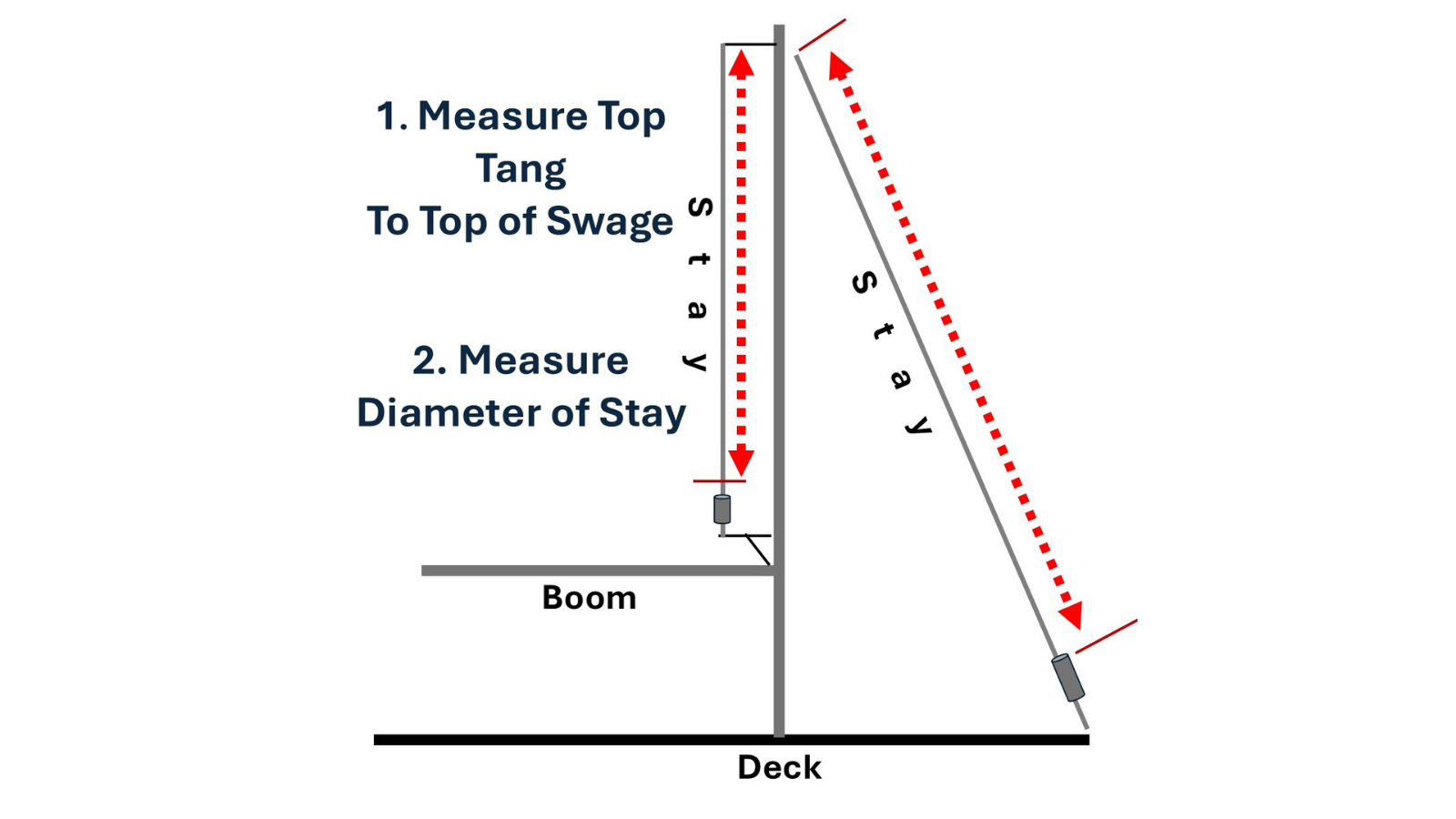
That is why deck-level installation is a meaningful design advantage. Being able to fit the system in or out of the water, without removing rigging, changes the project from a major intervention into a manageable upgrade. It lowers labor cost, reduces injury risk, and makes the product more realistic for the owner who does most of the work personally.
Pre-sized packages help too. When lengths are predetermined and no cutting is required, installation becomes more repeatable. Less improvisation usually means fewer mistakes and a cleaner result.
Material choice is not just about weight
The old assumption in marine hardware is that aluminum equals strength and plastic equals compromise. That shorthand misses a lot.
Material performance depends on the application, shape, manufacturing method, and load path. A modern engineered polymer such as ASA can offer meaningful advantages in a furling system - especially where corrosion resistance, weight reduction, and targeted reinforcement matter. If the manufacturing process allows focused infill strength in high-stress zones, the designer gains a level of control that standard extruded aluminum does not provide.
That does not mean every polymer part is superior. It means the question should be whether the component was engineered for the loads it will actually see. On a sailboat, lower weight aloft is never trivial. Neither is corrosion resistance in a saltwater environment. When a system can reduce both while maintaining structural performance, it deserves a serious look.
How to evaluate a behind the mast furling system
If you are comparing systems, start with the practical questions. How does torque move from drum to top assembly? How many rotating or wear-prone parts are involved? Can the system be installed without rigging removal? Does the design reduce halyard wrap risk or simply hope for correct setup? Are replacement sections manageable in size and shipping weight?
Then look at compatibility. A good system should adapt to a wide range of sailboats without turning each installation into a custom fabrication job. Modular packaging, multiple pre-set lengths, and compact shipping dimensions are all signs that the product was designed around owner installation rather than dealer dependency.
This is also where engineering discipline shows up. If the product language focuses only on convenience and ignores torsional strength, mechanical simplicity, or load handling, that is a warning sign. Sailors who understand hardware know that ease of use comes from sound design, not from marketing terms.
When behind-the-mast is the right answer
A behind the mast furling system makes the most sense when you want easier main or mizzen sail handling, do not want the complexity of in-mast conversion, and care about installation practicality as much as sailing function. It is especially strong for retrofit applications, owner-installed upgrades, and boats where weight, access, and serviceability matter.
It may not be the perfect answer for every rig or every sail plan. Sail shape priorities, competitive sailing goals, and boat-specific geometry all matter. But for many recreational sailors, the smarter question is not whether furling is theoretically elegant. It is whether the system works reliably, installs without drama, and avoids the common failure points that make some marine hardware feel older than it should.
That is where modern design earns its place. A company like 3DFurler.com has pushed that conversation forward by focusing on deck-level installation, interlocking foil strength, bearing-free drum design, and corrosion-free material advantages instead of asking owners to accept old rigging assumptions.
If you are evaluating your next upgrade, look for the system that removes complexity from ownership, not just from sail handling. That is usually the one you will still appreciate after the first season, not just on install day.