3D Furler Newsletter
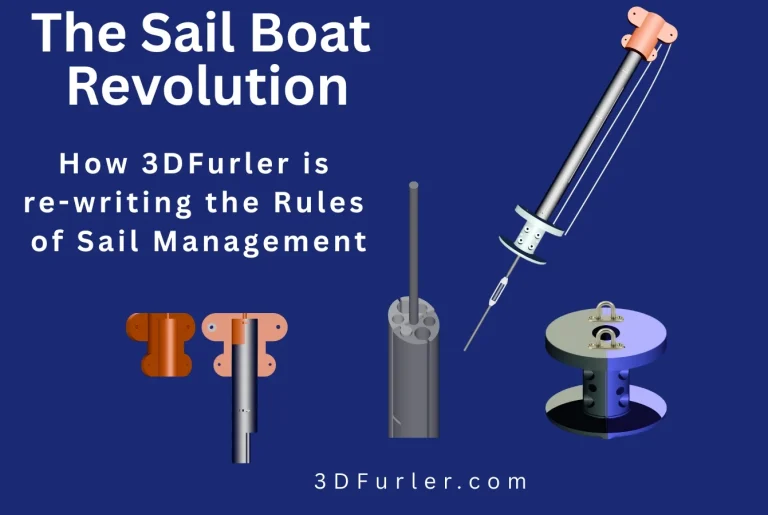
For decades, sailors have been stuck choosing between expensive metal furlers, fragile plastic foils, or going without a furling system altogether.
But a quiet revolution is happening in workshops around the globe—one powered not by aluminum extrusions or complex failure‑prone designs, but by advanced 3D‑printed engineering and common sense. At the center of this shift is Shane Mummery, Creator of YouTube’s Sailing Kyan II.

Most sailboat owners I meet all say the same thing: they don’t want to spend a small fortune on their boat for any style of Roller Furling— and now, they don’t have to. People today accept the idea of 3D‑Printed Parts. As opposed to overbuilt Fiberglas boats of the 60’s. 3D Printed Copolymers are used in 1000’s of applications,” says Mummery.
What is Infill?
Infill is the internal lattice structure inside a 3D‑printed part, and it quietly determines almost everything about how that part performs. While the outer walls create the visible shape, the infill acts as the skeleton—balancing strength, weight, material use, and print time.
For manufacturers, sailors, and hobbyists alike, understanding infill unlocks smarter printing: lighter components, stronger brackets, and faster production.